a) How do people use rhetoric and language around the problem? What styles, forms, genres, etc. are valued and why? What effect does this have? How does this language stop or hinder a solution?
In the context of the problem at hand, the polarization of partisan ideology and the decrease of interindividual cooperation. Many different rhetoric’s and languages are used as a means to perpetuate the problem, the issue of tyrannic
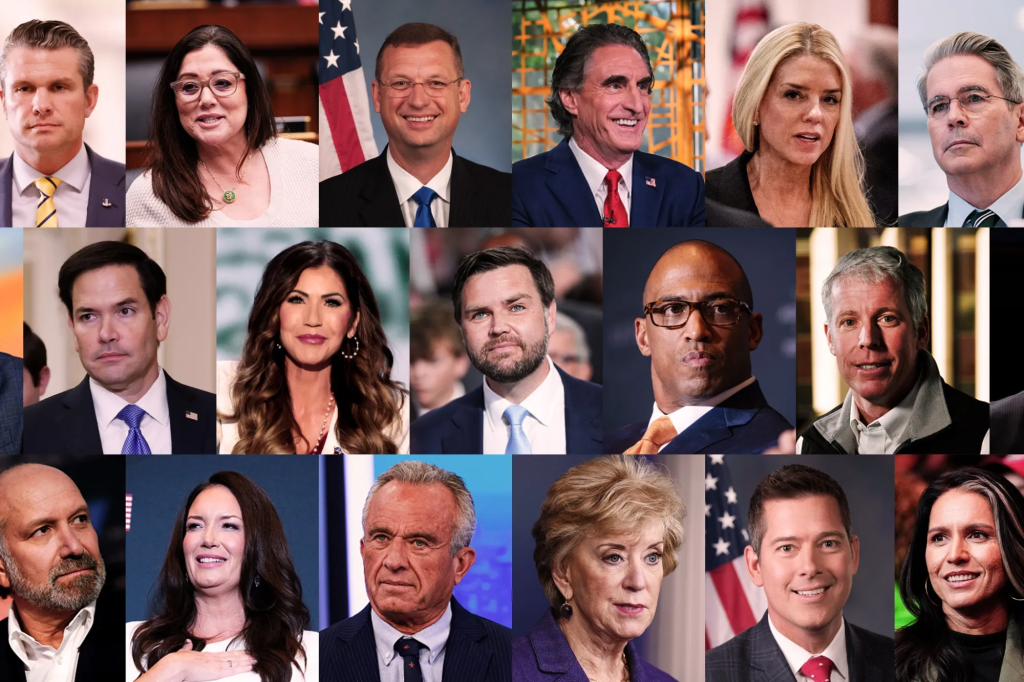
control thrives in states of indecision and conflict. Tyrannic control is the correct term to describe the current administration because by definition a democracy turns into a tyranny when its constitutional outlines are crossed and manipulated. The people who use rhetoric and language is everybody, the issue with this administrations tyrannical influence is that it appears everywhere. For example, regardless of whether you live in a primarily “democratic” state, there are still

b) Who benefits from the current state of this problem, and what incentives keep it in place? How is rhetoric used to reinforce or reduce the problem?
“republican” citizens who live within them. The way each side acknowledges political issues, namely abortion and gun laws, is similar in most conversations. They eventually end in one side becoming much more aggressive than the other, no matter republican or democrat, the very labeling of these sparks division in our public. The current acting government uses AI and skewed views of their actions to advocate for continued support because if they were fair, they would not only be out of office, but it would be due to their lack of support. The style of the current administrations rhetoric is loud, blatant, aggressive, contradictory and deceptive. They employ article publishing companies to support their rhetoric, while the opposing side does the same naturally, it deepens the division nonetheless. Seeing as this language has been a perpetual issue within the U.S. society for decades and even possible centuries, I doubt the majority of people will realize their overstep.
c) What would be a solution to this problem? How would you convince an audience who has power around the problem to move in this direction?
I believe at this point in time if something is not done soon, nothing can be done at all. The degree of unconstitutional action and infringement on international law is vast and absurd. Although there is a solution to the horror. Repair the constitution to crack down on corruption by adopting H.R.358 — 119th Congress (2025-2026), which outlines limitations on former congress members contact with acting members and restricts acting members fiscal ability to invest in certain manners. Not only that, but we must think about why the senators value political lobbyist groups over their constituents. They value the money flow, the compensation for their services, for that we must appeal the supreme court decision in the Citizens United vs FEC (2010). The decision made in 2010 allowed the creation of Super PAC’s, which is a form of lobbyist group labeled as special interest, but super in the way they allocate money to their representatives. This creation gave way to unlimited and untraceable money to flow into the pockets of corporations through means of political campaigns, Evidenced by (Rep. Summer Lee). Finally, to conclude our solutions to the problem we face today, by abolishing the electoral college. The electoral college is the system in place to prevent direct democracy, and in this case leads to conflict within government and the citizenry because of its inability to fulfill the “one person, one vote” ideal it is meant to advocate for. With electoral seats being decided by the number of senators and population density, certain states known as competitive states are valued much more than others. This is because political parties see these states as keys to their prize of the presidency. They will do whatever they can as a means to convince these states to their side, not only creating a difference in value between states but also deepening the polarizing factor of political parties. Leaving the presidency decision up to certain people within a state to decide for the entirety is unfair and undemocratic. Abolishing the electoral college ensures the president who receives the majority of votes in the entire nation is voted into office.
 Jack Jones