- What did you learn about writing for a) different audiences, b) writing in different genres, and c) researching a topic this semester?
- A) In terms of different audiences, what I learned was that different audiences need different avenues for being shown information. For example If I were to shove a 20 page paper about factions in a teenager’s face they wouldn’t want to listen outright, although if i were to show the same audience select facts that support my argument, their attention could be captured easier that way. For example, you could either continue reading this blog post or Go read this in depth paper about faction entrenchment: https://docs.google.com/document/d/1lwmBRum8TRl-nZ-uGZUvzFyWRdTt-eVZs3hcO5vUr44/edit?usp=sharing.
- B) What was just outlined previously with the difference in younger audience comprehensive ability being based on the information given, connects to the differing genres as well. Typically those of younger audiences tend to stray away from analog information like newspapers
 or articles and settle for more unorthodox methods of referencing research like Tiktok or Instagram where anyone is able to create an account and influence others. Adverse to analog type information where the only ones who gain influence and traction are those reliable and credible. This is even stretching to the older audiences where short form information -(https://www.uniccm.com/digital-marketing/short-form-content) is becoming more prominent than independent analyzation and research. Which is why I created the infographic, with not too much going on and selecting certain pieces of fact to showcase, I can grab their attention and incentivize them to engage in independent research on the topic, which would do more than explaining it ever could.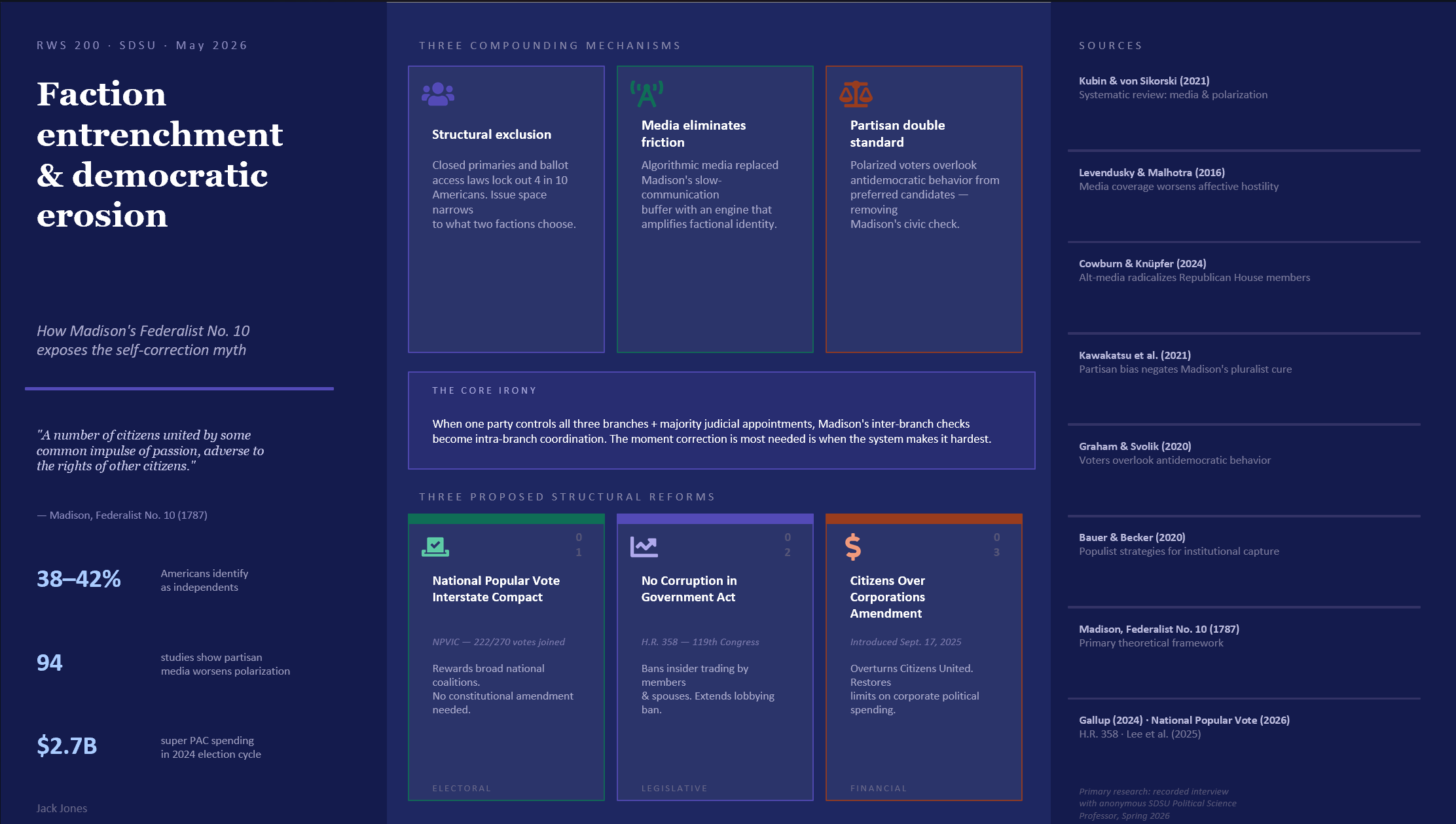
- C) When researching a topic for this semester, I was already previously familiar with the topic and as soon as we were given the authority to choose the topic the idea between concentrated faction power, (https://fiveable.me/ap-gov/key-terms/concentrating-power) causing disarray caught my attention. In terms of researching I did not learn much besides filtering through research papers and becoming more familiar with their structure and how to refer to them etc.
- Which assignments or experiences triggered these “lightbulb moments” for you?
- A) A couple assignments actually triggered this lightbulb moment for me. One of which off the top of my head was the interview assignment. Being one on one with a professor drastically helped my understanding of the topic and I was able to create so many new connections and pathways for my argument. For example initially I never thought of how if a person were to become so radicalized they would begin rejecting the other side entirely. Something important to include when talking about democratic erosion, though I only included it because of the interview. https://doi.org/10.1080/23808985.2021.1976070 is the source for it.

- Another assignment that triggered a lightbulb moment was the research paper itself, after compiling all of the topics and upmost credible sources on the topic of faction entrenchment and democratic erosion, I found myself become so much more knowledgeable on the topic, and even after writing it, being able to explain the topic with no notes needed simply because of its interconnectedness and my newfound familiarity of it.
- A) A couple assignments actually triggered this lightbulb moment for me. One of which off the top of my head was the interview assignment. Being one on one with a professor drastically helped my understanding of the topic and I was able to create so many new connections and pathways for my argument. For example initially I never thought of how if a person were to become so radicalized they would begin rejecting the other side entirely. Something important to include when talking about democratic erosion, though I only included it because of the interview. https://doi.org/10.1080/23808985.2021.1976070 is the source for it.
- How did these learning experiences transform your understanding of effective communication?
- A) Ironically I partially answered this just previously, these learning experiences propelled me forward in terms of speaking about faction entrenchment and being able to navigate the nuances of that particular topic, not only is surprising to me, but shows me that communication on that degree is possible for all to understand. Though, my main takeaway from this course and learning experiences from it, is differing audiences require different avenues of being shown information for it to really sink in. Due to that, finding a shorter form way to encapsulate the content in the paper other than an infographic with only a fraction of the information would be superb.
- What reading and writing knowledge have you developed this semester that you can carry forward?
- A) The reading and writing knowledge I have developed this semester that I can carry forward can but put into 3 learned tools; APA citation format, even more familiarization with topic-claim-reasoning, and Audience Targeting. With APA citation format learned, (https://owl.purdue.edu/owl/research_and_citation/apa_style/apa_formatting_and_style_guide/in_text_citations_the_basics.html) It will in the near future be easier for me to properly format essays for classes that only permit APA, and I will be less likely to take a hit on my grade for it. Secondly, becoming more familiar with topic-claim-reasoning as i put it has many benefits because it can appear in so many places. The very premise of it is a method of effective communication to be more certain your reader is following through with your point. For example the structure of this very paragraph, it begins with a topic sentence, then a claim and then proceeds my reasoning for saying said claim. Therefore, lastly we have audience targeting. For this I was familiar with the topic but not to the depth this class emphasized to me. After being shown examples of different informative texts, images, graphics, papers, the students in the class themselves all came to different conclusion while looking at the same text, given there could be some not paying attention at the moment. Though the tools given to everyone are the same, yet the first thing people tend to say differ from each other based on how they viewed the presented information and the order they viewed it in. For me this premise mattered to me to wonder about, and that is because it fit in so many other places. Like how people on either political party can become so radicalized they start ditching certain pieces of information because it doesn’t suit their agenda. I imagine that’s the more extreme version but still. Even simply knowing this concept will prove useful in many contexts in the future.
- What skills and approaches will you add to your toolbox as a writer? Where will these be useful?
- A) The skills and approaches I will add to my toolbox as a writer are proper APA citation and in text citation, However another skill I have yet to acknowledge that I can still develop is my formal writing skills. What I mean by formal writing skills is writing in genres like research papers, formal documents, legislative proposals, etc. This is because, if I want to see the light of day being an attorney and hopefully after that an international attorney, I must learn how to write in a formal manner to be read by the minds of senators, legislators, and lawmakers.
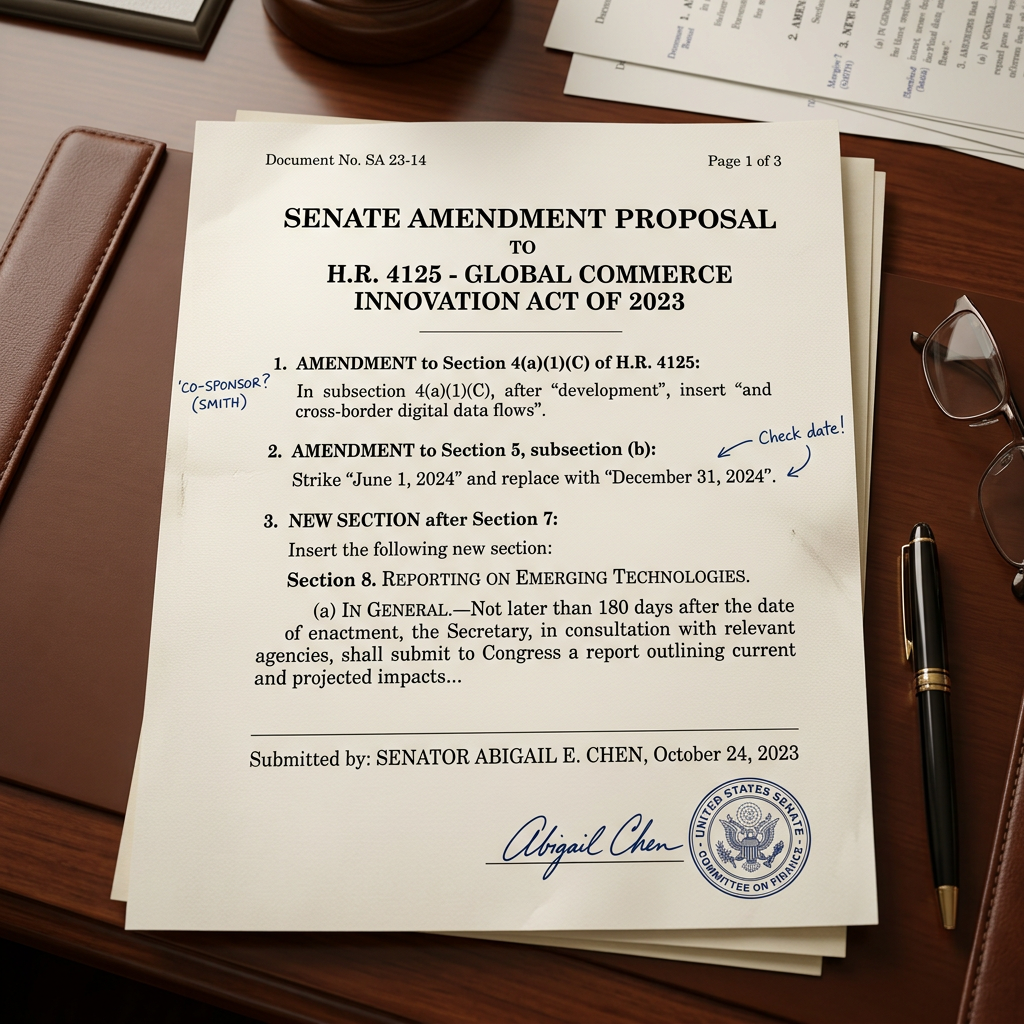
- A) The skills and approaches I will add to my toolbox as a writer are proper APA citation and in text citation, However another skill I have yet to acknowledge that I can still develop is my formal writing skills. What I mean by formal writing skills is writing in genres like research papers, formal documents, legislative proposals, etc. This is because, if I want to see the light of day being an attorney and hopefully after that an international attorney, I must learn how to write in a formal manner to be read by the minds of senators, legislators, and lawmakers.
- What aspects of your reading and writing do you want to continue developing? How might you do so?
- A) The aspects of reading and writing that I want to continue to develop are as outlined before but also reading Latin to be able to interpret religious texts and ancient dated texts to be able to translate on my own accord to my own lived experience, and then be able to interpret in today’s society. I could accomplish that by taking classes or by learning on my own accord as well. Although it’ll probably be one of the more difficult things I put on myself but, the time will pass anyway.

- A) The aspects of reading and writing that I want to continue to develop are as outlined before but also reading Latin to be able to interpret religious texts and ancient dated texts to be able to translate on my own accord to my own lived experience, and then be able to interpret in today’s society. I could accomplish that by taking classes or by learning on my own accord as well. Although it’ll probably be one of the more difficult things I put on myself but, the time will pass anyway.

